
Japanese plant pot squares, with their meticulously crafted aesthetics, have become a popular choice for contemporary interiors. More than just containers, these squares are a testament to Japanese design principles, seamlessly blending practicality with artistry. Their enduring appeal lies in the harmonious integration of form, function, and cultural significance.
This in-depth exploration delves into the multifaceted world of square Japanese plant pots, examining their history, materials, design elements, and ideal applications. From traditional ceramics to modern resins, we’ll uncover the secrets behind their timeless allure.
Overview of Square Japanese Plant Pots
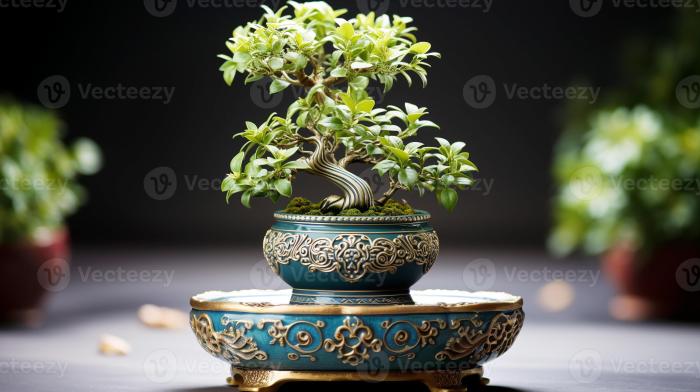
Square Japanese plant pots, a ubiquitous feature in Zen gardens and contemporary interiors, offer a unique blend of practicality and aesthetic appeal. Their structured form, often paired with minimalist designs, embodies a core principle of Japanese aesthetics—a harmony between the container and its contents. Beyond their visual appeal, these pots reflect a deep-seated cultural appreciation for nature and the art of cultivation.These pots, with their precise lines and clean surfaces, contribute to a serene atmosphere, echoing the principles of Japanese design.
Their versatility allows them to be seamlessly integrated into various settings, from traditional tea ceremonies to modern homes. Furthermore, the selection of materials and intricate details contribute to their unique character.
Aesthetic Qualities and Materials
Square Japanese plant pots are renowned for their ability to evoke a sense of tranquility and order. Their geometric shapes contrast beautifully with the organic forms of plants, creating a visual balance. Common materials include ceramic, glazed terracotta, and even metal, each contributing to the pot’s overall aesthetic and tactile experience. The careful selection of materials often reflects a deep understanding of the interplay between form, function, and atmosphere.
Styles and Variations
The range of square Japanese plant pots extends beyond basic shapes. Variations in height, width, and surface textures add further complexity and visual interest. Some pots feature intricate carvings or subtle patterns, while others opt for a simple, unadorned aesthetic. The choice of style often depends on the specific plant being cultivated and the overall design of the surrounding environment.
For instance, a taller, narrower pot might be ideal for a towering fern, while a wider, shallower pot could suit a collection of succulents.
Cultural Significance and Historical Context
Square plant pots in Japan are deeply rooted in the nation’s rich cultural heritage. They are often used in traditional gardens and tea ceremonies, where their form and function play a significant role in the overall aesthetic and ritual experience. Historically, the design of these pots evolved alongside the development of Japanese garden aesthetics, reflecting a growing appreciation for the natural world and the artistry of cultivation.
The emphasis on minimalism and simplicity in their design echoes broader cultural values that prioritize harmony and balance. The pots also often serve as a visual representation of the interplay between nature and human artistry.
Size and Dimensions
The size and dimensions of square Japanese plant pots vary significantly, influencing their suitability for different plants and spaces. Smaller pots, typically used for succulents or bonsai, emphasize compactness and detail. Larger pots, often found in gardens or outdoor spaces, are designed to accommodate larger specimens and provide ample space for root growth. The choice of size directly impacts the overall visual balance and aesthetic impact of the pot in a particular setting.
For example, a small square pot might be ideal for a single bonsai tree, while a larger pot would be better suited for a collection of herbs or flowering plants.
Materials and Construction
Square Japanese plant pots, prized for their aesthetic appeal and practicality, are crafted from a variety of materials, each contributing to their unique character. The choice of material often dictates the pot’s durability, longevity, and the overall visual impact it creates within a garden or interior setting. Understanding the materials and construction methods is key to appreciating the craftsmanship behind these meticulously designed containers.
Common Materials
The most prevalent materials used in creating square Japanese plant pots are ceramic, terracotta, and resin. Each material possesses distinct properties influencing its suitability for specific applications and aesthetic preferences.
- Ceramic: Known for its inherent strength and versatility, ceramic pots offer a wide range of glaze options, enabling intricate designs and color palettes. The firing process, typically at high temperatures, creates a durable, long-lasting product. Ceramic pots can withstand the elements and are highly adaptable to different design styles. Their ability to hold heat can also influence the growth of certain plants.
- Terracotta: A natural clay-based material, terracotta pots are recognized for their earthy tones and porous nature. The porosity allows for excellent moisture regulation, benefiting certain plant types. The natural aesthetic aligns well with contemporary and traditional garden styles. While less durable than ceramic in extreme conditions, terracotta pots provide an inherent connection to nature.
- Resin: A modern material, resin pots offer a lightweight and highly moldable alternative. Resin allows for complex shapes and intricate designs, often with exceptional durability. The material’s resilience to the elements and its resistance to cracking are particularly attractive features. However, the lack of inherent porosity can sometimes require adjustments to watering practices for certain plant types.
Durability Comparison
The durability of square Japanese plant pots varies significantly depending on the material. Ceramic pots are generally the most resilient, capable of withstanding harsh weather conditions and prolonged use. Terracotta pots, while possessing their own unique durability, may be more susceptible to cracking or damage under extreme temperatures or impacts. Resin pots, on the other hand, often exhibit high impact resistance, making them suitable for outdoor use.
Aesthetic Properties
The aesthetic appeal of square Japanese plant pots is deeply tied to the chosen material. Ceramic pots, with their polished or glazed surfaces, offer a wide range of aesthetic options, including matte finishes, vibrant colors, and intricate patterns. Terracotta pots, with their natural tones, often complement gardens with rustic or minimalist aesthetics. Resin pots, with their ability to mimic other materials like stone or wood, offer a modern alternative with the potential for unique designs.
Manufacturing Processes
The manufacturing processes for square Japanese plant pots vary depending on the material. Ceramic pots often involve intricate molding techniques, followed by firing in high-temperature kilns to create the desired strength and aesthetic. Terracotta pots, typically crafted using hand-building or mold-making techniques, might employ traditional methods passed down through generations. Resin pots, with their modern manufacturing processes, frequently utilize injection molding or casting methods to produce intricate designs and precise shapes.
Design Elements and Aesthetics
Square Japanese plant pots, prized for their minimalist aesthetic and functional design, are more than just containers. Their careful consideration of proportions, shapes, and surface patterns speaks volumes about the cultural appreciation for balance and harmony in nature. These pots, often crafted from natural materials, seamlessly integrate into any garden or interior space, reflecting a profound connection to the surrounding environment.Square Japanese plant pots excel in their ability to evoke a sense of serenity and tranquility.
This aesthetic appeal stems from a conscious interplay of design elements, meticulously crafted to create a harmonious visual experience. The deliberate use of proportions, shapes, and surface patterns, often informed by traditional Japanese aesthetics, contributes to the overall impact.
Proportions and Shapes
The proportions of square Japanese plant pots are often carefully considered, with a focus on achieving a sense of balance and harmony. A square shape, while seemingly simple, can be manipulated to create visual interest. Variations in the width-to-height ratio, or the subtle adjustments in the angles of the corners, can significantly alter the perceived weight and visual appeal of the pot.
The height of the pot is often proportionate to the size of the plant it will house, fostering a harmonious relationship between container and plant. Similarly, the width is designed to provide adequate support and space for root growth.
Surface Patterns
The surfaces of square Japanese plant pots are often understated, allowing the beauty of the natural material to take center stage. Simple patterns, such as subtle striations or subtle texturing, might be incorporated. Glazes, when used, are often muted, enhancing the pot’s inherent qualities rather than overpowering them. These subtle details further contribute to the overall minimalist aesthetic, avoiding any unnecessary visual distractions.
For example, a slightly uneven surface of a clay pot might be seen as adding character, while a precisely uniform finish may convey a sense of perfection.
Minimalism and Simplicity
Minimalism is a cornerstone of Japanese aesthetics. Square plant pots embody this philosophy through their clean lines and uncluttered forms. The focus is on functionality and understated elegance. The avoidance of elaborate decorations emphasizes the inherent beauty of the natural materials. Simplicity allows the plant to take center stage, becoming the primary focus of the composition.
The deliberate absence of ornamentation highlights the natural beauty of the plant and the inherent elegance of the pot.
Natural Materials and Colors
Square Japanese plant pots frequently utilize natural materials like ceramic, wood, or stone. The choice of material is often influenced by the desire to create a connection with the surrounding environment. The natural textures and warm tones of these materials evoke a sense of groundedness and tranquility. Colors are typically muted and earthy, such as shades of gray, brown, or beige, often echoing the colors of nature.
These natural palettes harmonize seamlessly with the natural environment, minimizing visual disruptions. For example, a dark gray ceramic pot placed within a garden bed with muted earth tones would blend seamlessly with the landscape, providing a visual backdrop for the plants.
Plant Compatibility and Potting Techniques
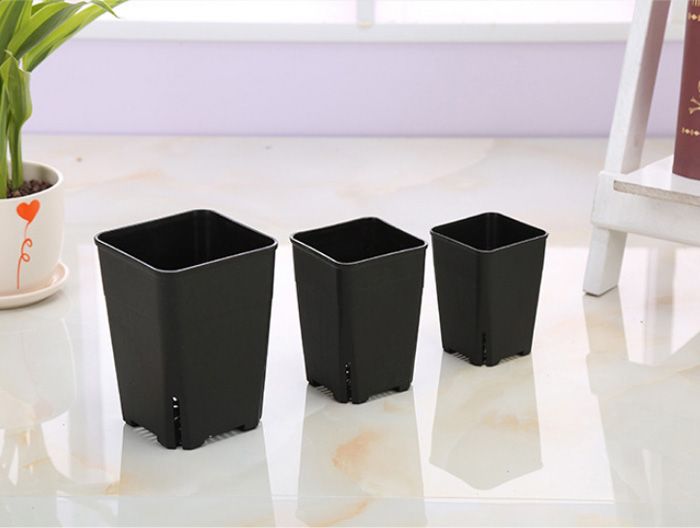
Square Japanese plant pots, prized for their aesthetic appeal, offer a unique platform for cultivating a diverse range of plants. However, selecting the right plant and employing appropriate potting techniques are crucial for achieving thriving greenery. These techniques ensure the pot’s delicate balance between form and function is upheld.
Ideal Plants for Square Japanese Pots
The aesthetic of square Japanese plant pots often favors plants with compact growth habits or those that lend themselves to a structured display. Low-growing succulents, miniature bonsai, and certain types of herbs, like mint or thyme, often thrive in these pots, exhibiting their forms well within the defined space. The size and shape of the pot can greatly influence the plant’s visual impact.
For instance, a small, densely-foliaged plant will be highlighted in a square pot of a comparable size. Conversely, a taller, more expansive plant may not be as aesthetically pleasing within the confines of a small square pot.
Potting Techniques for Square Pots
Maintaining healthy plants in square Japanese pots requires careful consideration of potting techniques. The compact nature of these pots necessitates a thorough understanding of root development and the importance of appropriate drainage. Overwatering is a common pitfall in such pots. Overwatering can lead to root rot, a significant threat to plant health. To prevent this, ensure the pot has adequate drainage holes and use a well-draining potting mix.
The soil should be able to retain moisture effectively, but not to the point of waterlogging.
Choosing the Right Potting Mix
Selecting the correct potting mix is crucial for plant health within square Japanese pots. A well-composed mix promotes healthy root development and proper aeration. Different plants have varying needs. Succulents, for instance, benefit from a mix that emphasizes drainage. A mix rich in perlite or coarse sand will help prevent water from accumulating around the roots.
For leafy plants, a mix that retains moisture but doesn’t become waterlogged is ideal. A balanced mix that incorporates peat moss, vermiculite, and perlite can often address this balance effectively. A good potting mix should also be lightweight and easy to work with. It should allow for good air circulation around the roots and effectively retain moisture without becoming waterlogged.
For instance, a mix that’s too dense might compact and restrict the roots’ ability to absorb nutrients.
Square Plant Pot Dimensions and Sizes
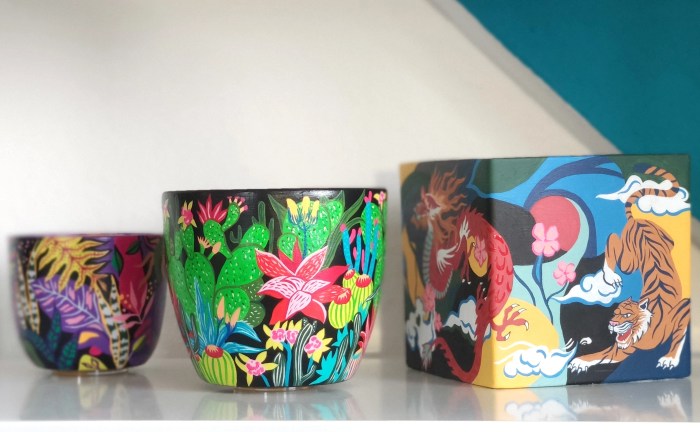
Square Japanese plant pots, prized for their aesthetic appeal and practicality, come in a range of sizes. Understanding these dimensions is crucial for selecting the right pot for a specific plant, ensuring optimal growth and a harmonious display. Proper sizing directly impacts a plant’s ability to thrive and prevents issues like root-bound conditions.Choosing the correct pot size is critical for plant health.
A pot that’s too small will restrict root development, hindering growth. Conversely, a pot that’s excessively large may lead to excessive water retention, potentially causing root rot. This careful consideration of dimensions is essential for successful plant cultivation within square Japanese pots.
Pot Size Variations
Understanding the various pot sizes available allows for informed choices. A range of dimensions provides options for different plant needs and aesthetic preferences. The following table presents common square Japanese plant pot sizes, outlining internal and overall dimensions.
| Pot Size (inches) | Internal Diameter (inches) | Overall Height (inches) | Overall Dimensions (inches) |
|---|---|---|---|
| Small (6″) | 5.5″ | 6″ | 6″ x 6″ |
| Medium (8″) | 7.5″ | 8″ | 8″ x 8″ |
| Large (10″) | 9.5″ | 10″ | 10″ x 10″ |
| Extra Large (12″) | 11.5″ | 12″ | 12″ x 12″ |
Plant Compatibility with Pot Sizes
The appropriate pot size significantly impacts a plant’s growth potential. Matching the pot size to the plant’s mature size and root system is key to successful cultivation. The table below highlights the suitability of different pot sizes for various plant types.
| Plant Type | Recommended Pot Size (inches) | Justification |
|---|---|---|
| Small succulents, air plants | Small (6″) | Compact root systems, thrive in smaller containers. |
| Medium-sized herbs, flowering perennials | Medium (8″) | Allows for moderate growth and development. |
| Larger flowering plants, small shrubs | Large (10″) | Provides space for more extensive root systems and healthy growth. |
| Larger shrubs, small trees | Extra Large (12″) | Sufficient space for mature plant development and root expansion. |
Pot Size and Growth Potential
The relationship between pot size and plant growth is crucial. A pot that is too small will restrict root development, hindering growth and impacting overall health. Conversely, a pot that is too large may lead to excessive water retention, which can lead to root rot.
| Pot Size | Growth Potential | Example |
|---|---|---|
| Small | Limited growth, ideal for smaller plants or for propagating new plants | A small succulent can be contained in a small pot until it is ready to be repotted into a larger container. |
| Medium | Moderate growth, suitable for many flowering plants and herbs. | A geranium or basil plant will thrive in a medium-sized pot. |
| Large | Significant growth potential, ideal for larger plants and those with extensive root systems. | A flowering rose bush or a small ornamental tree will flourish in a large pot. |
| Extra Large | Maximum growth potential, suitable for mature plants and those requiring extensive root space. | A mature bonsai or a larger shrub may need an extra-large pot to support its development. |
Care and Maintenance
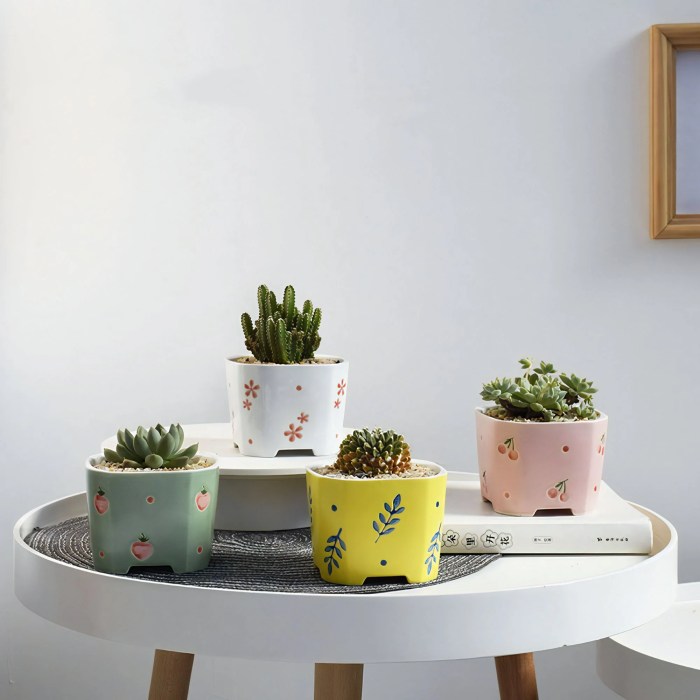
Maintaining the aesthetic appeal and longevity of square Japanese plant pots hinges on proper care and cleaning routines. These pots, often crafted with meticulous attention to detail, require specific handling to preserve their beauty and structural integrity. Ignoring these steps can lead to premature deterioration and a diminished visual impact.
Cleaning Procedures for Different Materials
Proper cleaning methods are crucial for maintaining the aesthetic integrity and longevity of square Japanese plant pots. Different materials require distinct cleaning approaches to prevent damage and ensure the pots remain attractive.
- Ceramics: Ceramics are a popular choice for Japanese plant pots due to their durability and aesthetic appeal. To clean ceramic pots, gently scrub the exterior with a soft-bristled brush and mild dish soap. Rinse thoroughly with clean water and dry completely with a soft cloth to prevent water spots. Avoid using abrasive cleaners or scouring pads, as these can scratch the surface.
For stubborn stains, use a diluted bleach solution (one part bleach to ten parts water) carefully and only on a small inconspicuous area first to test for discoloration.
- Wood: Wooden square plant pots require gentle cleaning. Avoid using harsh chemicals or excessive water, as these can damage the wood’s natural finish. Wipe the surface with a damp cloth and mild dish soap, then dry immediately with a soft, clean cloth. For wooden pots with a sealant or varnish, follow the manufacturer’s recommendations for cleaning and maintenance.
If the wood shows signs of wear, consider using a wood sealant to restore its protection.
- Stoneware: Stoneware, a sturdy material, benefits from a similar cleaning process as ceramics. Use a soft-bristled brush and mild dish soap for cleaning. Thoroughly rinse and dry with a soft cloth. Avoid using abrasive cleaners, as they can damage the pot’s surface.
- Metal: Metal square plant pots, such as those made of iron or bronze, require careful cleaning. Use a soft cloth dampened with warm, soapy water to gently remove dirt and debris. For tougher stains, a specialized metal cleaner can be used, but test it on a hidden area first to ensure it does not affect the finish.
Dry the pot completely with a soft cloth to prevent rust formation.
Maintaining Pot Aesthetics
Maintaining the visual appeal of square Japanese plant pots involves regular inspection and prompt addressing of any issues.
- Regular Inspection: Regularly inspect the pots for any signs of damage, such as cracks, chips, or discoloration. Promptly address any issues to prevent further deterioration. Check for any loosening of the pot’s joints, particularly if the pot is assembled from multiple pieces.
- Avoiding Overwatering: Overwatering can lead to water damage and mold growth on the pot’s surface. Ensure the pot has proper drainage to prevent waterlogging, which can harm the plant and compromise the pot’s integrity.
- Protecting from Sunlight and Weather: Prolonged exposure to intense sunlight or harsh weather conditions can affect the finish of the pot. Consider relocating the pot to a shaded area or providing protection during extreme weather events to maintain its appearance.
- Checking for Pests: Regularly inspect the pots for signs of pests or infestations, such as insects or mold. Taking prompt action can prevent the spread of pests and preserve the integrity of the pot and the health of the plants within.
Square Plant Pot Styles and Trends
Square Japanese plant pots, with their clean lines and versatile designs, are increasingly popular in contemporary interiors. Their adaptability allows them to seamlessly integrate into diverse aesthetics, from minimalist modern to traditional Zen gardens. This evolution reflects a broader trend toward functional and aesthetically pleasing home décor.Beyond their visual appeal, square pots offer practical advantages. Their structured form makes them suitable for a wide range of plants, and their consistent size allows for easy arrangement and display.
This versatility extends to the range of materials and finishes available, further enhancing their appeal.
Contemporary Square Pot Styles
Contemporary interpretations of square Japanese plant pots embrace clean lines and minimalist designs. These pots often feature simple geometric forms, with smooth surfaces and muted color palettes. Materials like ceramic, glazed terracotta, and even polished concrete are common choices, lending a modern and sophisticated feel. The emphasis is on understated elegance, with the plant itself often taking center stage.
Modern Square Pot Trends
Modern trends in square plant pots frequently incorporate bold geometric patterns or contrasting colors. This approach adds a vibrant touch to the space. These pots are frequently used in arrangements that emphasize asymmetry or layered displays. For instance, a collection of varying sizes and shades of gray or black square pots placed on a shelving unit could create a striking and dynamic visual impact.
Traditional Square Pot Aesthetics
Traditional square Japanese plant pots, often crafted from natural materials like glazed terracotta or unglazed ceramic, maintain a focus on natural tones and subtle detailing. They often exhibit traditional Japanese aesthetic principles like asymmetry and the appreciation of natural textures. These pots are frequently used to showcase bonsai or other miniature plants, creating a sense of tranquility and serenity in the space.
Comparison with Other Pot Styles
Square Japanese plant pots stand out from round or oval pots by their distinct geometric shape. Their straight lines and right angles provide a contrasting aesthetic. Round pots, while popular for their organic forms, lack the structural clarity that square pots offer. The square format is ideal for modern interiors and contemporary arrangements, but traditional round or oval pots can enhance a more traditional or organic-style setting.
The selection depends on the overall aesthetic of the space.
Square Pots in Interior Design
Square plant pots are a flexible choice for contemporary interiors. They can be incorporated into minimalist settings with simple, neutral tones, or as a striking focal point in a more eclectic space. A collection of varying sizes, arranged in a grid-like pattern on a shelf, can add a touch of organization and visual interest to a room. Furthermore, the pots can be used as part of a larger display, alongside other decorative items, or they can act as individual statements.
Square Japanese Plant Pots in Different Settings
Square Japanese plant pots, renowned for their aesthetic appeal and practicality, find a natural home in diverse indoor and outdoor settings. Their clean lines and minimalist design elements translate seamlessly across various environments, adding a touch of tranquility and sophistication. From meticulously landscaped gardens to cozy living rooms, these pots offer a versatile platform for showcasing the beauty of plants.The versatility of square Japanese plant pots lies in their ability to evoke distinct atmospheres.
Their structured form can create a sense of order and calm, while the muted colors and natural materials often used can foster a serene ambiance. These pots effectively complement the surrounding space, enhancing its visual appeal and creating a harmonious aesthetic.
Indoor Applications
Square plant pots, with their compact and often stackable design, are ideally suited for indoor spaces. Their straightforward shapes can integrate effortlessly into modern or traditional interiors. A living wall or a collection of square pots on a console table can create a focal point in a living room or a study. The muted tones of the pots can subtly blend into the existing décor, drawing attention to the plant life without overwhelming the surrounding space.
In a minimalist setting, the square pots can serve as striking accents. In contrast, a more ornate room might benefit from pots with intricate details or a color palette that echoes existing patterns.
Outdoor Applications
Square Japanese plant pots are equally effective in outdoor settings, offering both practicality and visual appeal. Their ability to withstand varied weather conditions, especially when made from durable materials like ceramic or concrete, makes them suitable for balconies, patios, and gardens. On a balcony, a collection of square pots in varying sizes can create a layered visual effect, while on a patio, they can be strategically placed to enhance the flow of the space.
In a garden, the pots can be incorporated into a design scheme that blends seamlessly with existing landscaping elements, like stone pathways or a pergola. The square shape, when filled with the right plant species, provides structure and organization to the overall outdoor design. Consider the size of the pot, the weight of the soil and plant, and the drainage system when selecting a location for an outdoor pot.
Creating Ambiances with Square Pots
The careful selection of plants and the arrangement of square pots can dramatically influence the atmosphere of a space. A collection of square pots filled with cascading plants can create a sense of lushness and movement. Alternatively, pots filled with low-growing succulents or herbs can evoke a sense of calm and tranquility. The strategic use of varying pot sizes and colors can create visual interest and depth, while maintaining a unified aesthetic.
Adding small decorative elements, such as stones or figurines, can further enhance the visual appeal and personal touch of the arrangement.
Integration into Different Spaces
Square Japanese plant pots can be seamlessly integrated into various spaces, from modern apartments to traditional gardens. In a contemporary home, the pots can serve as minimalist accents, highlighting the natural beauty of the plants. In a more traditional garden, the pots can be used to frame pathways or create defined seating areas. For example, a collection of small square pots lined along a patio wall can add a touch of elegance to an outdoor dining area.
On a balcony, the pots can be used to maximize vertical space while adding visual interest to the area. The pots’ versatility makes them a valuable addition to any environment, allowing for creative expression and personalized touches.
Visual Inspiration and Examples
Square Japanese plant pots offer a unique blend of aesthetic appeal and practical functionality, seamlessly integrating into various interior and exterior spaces. Their structured form and often minimalist design allow them to complement a wide range of architectural styles, from contemporary to traditional. This section delves into the diverse visual possibilities, showcasing the beauty and versatility of these pots in a variety of settings.
Showcase of Square Pot Styles
Square Japanese plant pots come in a spectrum of styles, each designed to highlight specific aesthetic characteristics. This diversity allows for tailored integration into different environments, ensuring a visually harmonious blend. The styles vary significantly in terms of material, color, and surface treatments, each influencing the overall look and feel of the pot.
- Modern Minimalist: These pots typically feature clean lines, neutral color palettes (like white, gray, or black), and smooth surfaces. They often have a subtle, understated elegance, making them perfect for contemporary homes or offices. Imagine a sleek, white square pot with a simple ceramic finish, perfectly showcasing a small succulent or air plant. This minimalist style is particularly effective in modern interiors where clean lines and muted tones dominate the aesthetic.
- Rustic Elegance: These pots are crafted from natural materials like weathered wood or terracotta, emphasizing a warm, earthy tone. The slightly rough texture and muted colors evoke a sense of serenity and connection with nature. A square wooden pot, slightly distressed and stained a rich brown, paired with a vibrant fern or a lush trailing plant, embodies this style.
The weathered appearance adds a touch of rustic charm to any space.
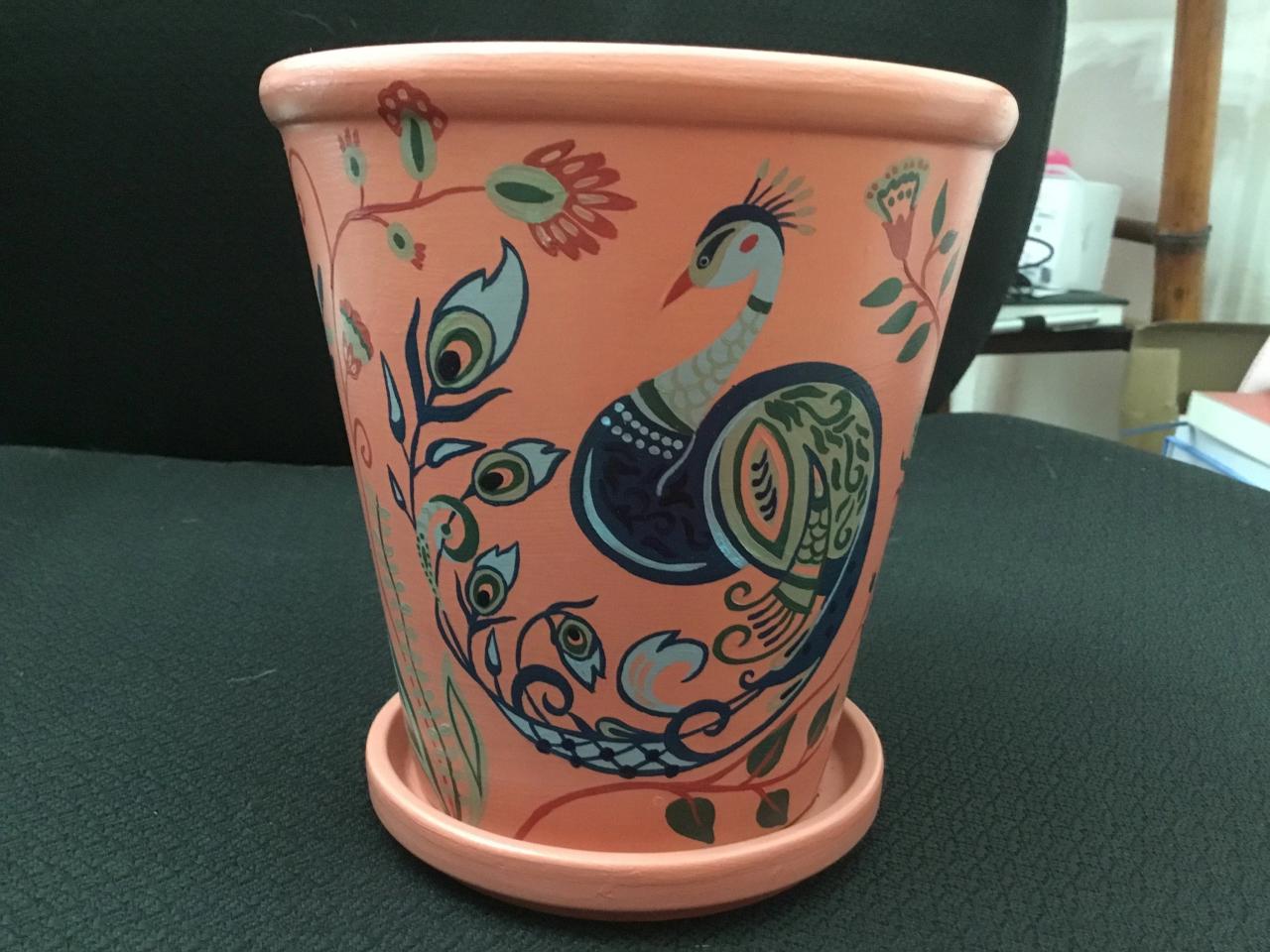
- Ornate Decoration: Some pots incorporate intricate patterns, textures, or designs, adding a touch of artistry and visual interest. These pots might feature carved details, glazed patterns, or metallic accents. A square ceramic pot with hand-painted floral designs, holding a flowering orchid or a delicate spider plant, exemplifies this approach. The detailed embellishments on the pot become a focal point, enriching the overall visual narrative.
Plant Pot and Plant Combinations
The selection of plants plays a critical role in the overall aesthetic appeal of a square Japanese plant pot arrangement. Choosing plants that complement the pot’s style and color is key to achieving a harmonious visual effect.
| Pot Style | Plant Type | Image Description |
|---|---|---|
| Modern Minimalist | Succulents, Air Plants, Small Ferns | A square, white ceramic pot with a simple design holds a collection of succulents in varying sizes and colors. The clean lines of the pot and the understated colors of the succulents create a visually calming and sophisticated arrangement. |
| Rustic Elegance | Ferns, Vines, Bromeliads | A weathered, brown wooden square pot houses a vibrant fern, its fronds cascading over the edges of the pot. The natural warmth of the wood and the lush greenery create a sense of tranquility and connection with nature. |
| Ornate Decoration | Orchids, Hydrangeas, Pothos | A square ceramic pot adorned with intricate floral patterns, houses a vibrant orchid, showcasing its delicate blossoms. The intricate designs on the pot and the vibrant colors of the flowers create a striking and artistic arrangement. |
Pot Arrangement Examples
The strategic placement of square Japanese plant pots can dramatically enhance the ambiance of a space. Careful consideration of the surrounding environment and the overall design aesthetic is essential for achieving the desired effect.
- Indoor Living Room: A collection of square pots, varying in size and style, strategically placed on a coffee table or windowsill, can create a focal point. The interplay of light and shadow on the pots adds depth and visual interest to the room.
- Outdoor Patio: Larger square pots, placed along a patio wall or on a deck, can add visual appeal and a touch of nature to the outdoor space. The varying heights and shapes of the pots can create an interesting focal point, drawing the eye from one area to the next.
- Balcony Garden: A grouping of square pots of different sizes and styles, placed in a well-defined area of a balcony, can enhance the visual appeal of the space. The varied heights and shapes of the pots can create an engaging and dynamic display.
Last Recap
In conclusion, square Japanese plant pots offer a captivating blend of tradition and modernity, seamlessly integrating into diverse spaces. Their enduring appeal stems from the careful consideration given to every design element, from the chosen materials to the optimal plant pairings. Ultimately, these pots serve as a window into Japanese aesthetics, inviting a deeper appreciation for their cultural significance and artistic merit.
