
Robert Jordan’s “The Wheel of Time” is more than just a sprawling fantasy series; it’s a meticulously crafted world where fate, magic, and the cyclical nature of time intertwine. From the intricate dance of the Pattern to the complex politics of nations, the books offer a rich tapestry of characters, cultures, and conflicts. The series’ scope, depth, and attention to detail have cemented its place as a cornerstone of the fantasy genre, captivating readers with its epic scale and profound themes.
This exploration will delve into the key aspects of this vast universe, from the roles of powerful organizations like the Aes Sedai to the personal journeys of iconic characters like Rand al’Thor, Mat Cauthon, and Perrin Aybara. We’ll examine the forces of good and evil, the influence of geography, and the significance of pivotal events that shape the world. Through detailed analysis and insightful comparisons, we will uncover the intricate workings of the Wheel itself.
The intricate weaving of destiny in the world of The Wheel of Time requires deep consideration of the patterns.
The world of Robert Jordan’s *The Wheel of Time* is governed by a complex and immutable force known as the Pattern. This Pattern, woven by the Wheel of Time itself, dictates the fate of all individuals and events, creating a tapestry of cause and effect that stretches across Ages. Understanding the Pattern is crucial to comprehending the narrative’s themes of destiny, free will, and the cyclical nature of time.
How the Pattern Operates
The Pattern is the overarching design of existence, a cosmic blueprint containing every possible event, from the smallest ripple to the grandest cataclysm. The Wheel spins the Pattern, weaving threads of individuals, places, and things into the tapestry. These threads represent the lives of individuals, their actions, and the consequences of those actions. Each person’s thread is connected to countless others, creating an intricate web of interdependencies. The Pattern is not static; it is constantly evolving as the Wheel spins, with new threads being woven and old ones unraveling.
The Pattern’s influence is pervasive, shaping events and influencing individuals’ choices, although not necessarily determining them outright. Individuals, while seemingly free to make their own decisions, are nevertheless subject to the Pattern’s influence. Certain individuals, known as *Ta’veren*, are particularly susceptible to the Pattern’s manipulations.
The *Ta’veren* are individuals around whom the Pattern weaves more strongly, causing events to converge and the threads of the Pattern to be pulled towards them.
Their presence can drastically alter the course of events, causing seemingly random occurrences to align and creating opportunities and challenges that would not otherwise exist. The strength of a *Ta’veren*’s influence is often related to the magnitude of the events they are destined to shape. The more significant their role, the more pronounced their influence on the Pattern. This influence can manifest in various ways, from minor coincidences to world-altering events. The actions of *Ta’veren* ripple outwards, affecting not only their immediate surroundings but also the broader Pattern, influencing the lives of countless others. These individuals are often unaware of their role until the Pattern begins to draw them into events. They may experience a sense of compulsion, a feeling that they are being guided towards a specific purpose, or they may find themselves inexplicably at the center of significant events. The effect on others is also noticeable, with people feeling drawn to or repelled by the *Ta’veren*, or events unfolding around them in ways that defy logic or expectation.
Key Moments of Pattern Shift
The Pattern is not always stable; it experiences significant shifts when pivotal events occur. These shifts often involve the actions of *Ta’veren* or the clash of opposing forces, altering the course of history.
- The Breaking of the World: This event, caused by the misuse of the One Power, shattered the world and initiated the Third Age. The Pattern was drastically reshaped, leading to the loss of knowledge, societal collapse, and the rise of new nations.
- The discovery of the Dragon Reborn: The Pattern shifted as Rand al’Thor’s identity as the Dragon Reborn became apparent. This event triggered a series of events, including the gathering of armies, the resurgence of the Shadow, and the eventual Last Battle.
- The Battle of the Two Rivers: The Trolloc raid on the Two Rivers, orchestrated by the Shadow, was a turning point. It forced Rand, Mat, and Perrin to leave their home, setting them on their respective paths and setting in motion the events of the series.
- The Cleansing of *Saidin*: The ability of Rand al’Thor to cleanse *Saidin* of the taint of the Dark One represented a major shift in the Pattern. This act freed male channelers from the madness caused by the taint, fundamentally altering the balance of power.
- The Last Battle (Tarmon Gai’don): The ultimate confrontation between the forces of Light and Shadow represents the culmination of the Pattern’s weaving. The outcome of the Last Battle determines the future of the world, influencing the subsequent Age.
The Cyclical Nature of Time
The Wheel of Time’s core concept is the cyclical nature of time, where events repeat themselves in different Ages. This concept is vividly illustrated through recurring themes, characters, and events. The following table provides a comparison of key events across different Ages.
| Event | Age of Legends | Third Age | Consequences/Parallels |
|---|---|---|---|
| Use of the One Power | The Age of Legends saw the widespread use of the One Power for advancement and innovation, leading to hubris and eventual corruption. | The Third Age sees the One Power being used, but with a more limited understanding and with the constant threat of the Shadow. | Both Ages feature the use of the One Power, but with vastly different consequences, reflecting the cyclical nature of knowledge and its potential for misuse. |
| The Breaking of the World | The War of the Shadow, a conflict of unprecedented scale. | The Breaking of the World, caused by the misuse of the One Power, shattered the world and initiated the Third Age. | Both events represent periods of catastrophic change and societal collapse, followed by the slow rebuilding of civilization. |
| The Dragon | Lewin Therin Telamon, known as the Dragon. | Rand al’Thor, the Dragon Reborn. | Both figures are prophesied to be the champions of Light against the Dark One, with their actions determining the fate of the world. |
| The Last Battle | The War of the Shadow culminated in a final battle against the Dark One. | The Last Battle (Tarmon Gai’don), the final confrontation between Light and Shadow. | Both battles represent the ultimate test of the world, with the outcome determining the beginning of a new Age. |
| The Taint on *Saidin* | The Dark One’s influence on the One Power. | The Taint on *Saidin* corrupted male channelers, leading to madness and destruction. | Both represent the corrupting influence of the Shadow, which seeks to undermine the power and lead to destruction. |
The Aes Sedai and their complex relationship with the One Power represent a central theme in the series.
The Aes Sedai, the servants of all, wield the One Power, a source of immense magical potential and a cornerstone of the Wheel of Time series. Their complex relationship with this power, and the structures they build around it, define their society and influence the fate of the world. Each Aes Sedai is bound by oaths, but their true power lies in their ability to channel *saidin* (the male half of the One Power) or *saidar* (the female half), and the specific Ajah they belong to further shapes their understanding and application of the Power. The Ajahs, each with their distinct philosophies and roles, represent the multifaceted nature of the Aes Sedai and the diverse ways they serve – or sometimes, undermine – the White Tower.
The Ajahs and Their Roles
The Seven Ajahs, each with its own focus and priorities, form the core structure of the Aes Sedai. Their philosophies influence the actions of their members and, by extension, the political landscape of the White Tower and the world. Understanding their individual goals is crucial to grasping the intricacies of the series.
- The Blue Ajah: The Blue Ajah, known for their dedication to justice and their pursuit of causes they believe in, are often involved in political intrigue and secret missions. They are the most idealistic of the Ajahs, frequently traveling to investigate injustices and advocate for the oppressed. Their strong convictions and willingness to act, sometimes without regard for consequences, can make them formidable allies and dangerous enemies. They are known for their network of spies and informants.
- The Green Ajah: The Green Ajah, also known as the Battle Ajah, are primarily focused on defending the White Tower and the world from the Shadow. They are the most martial of the Ajahs, often taking on Warders and training for combat. They are not as bound by tradition as some other Ajahs, and they tend to be more accepting of male channelers, particularly those who can bond with them as Warders. The Green Ajah is also known for their focus on preserving knowledge of the Age of Legends and the use of the One Power.
- The Gray Ajah: The Gray Ajah are the mediators and diplomats of the Aes Sedai. They are skilled at negotiation, arbitration, and understanding complex legal matters. Their primary role is to maintain peace and order, both within the White Tower and in the outside world. They are often called upon to resolve disputes between nations and to act as intermediaries in times of crisis. They are highly respected for their impartiality and their ability to find common ground.
- The Brown Ajah: The Brown Ajah are the scholars and historians of the Aes Sedai. They are dedicated to the pursuit of knowledge, particularly the history of the world and the use of the One Power. They spend much of their time researching and preserving ancient texts and artifacts. They are often seen as somewhat aloof, preferring the company of books to people. Their vast knowledge of the past is invaluable to the White Tower.
- The White Ajah: The White Ajah are the logicians and philosophers of the Aes Sedai. They are dedicated to the pursuit of truth and understanding through reason and logic. They are often seen as cold and detached, preferring to deal with abstract concepts rather than emotional matters. They are highly skilled in debate and are known for their ability to dissect complex arguments. They often have difficulty understanding the motivations and actions of others.
- The Yellow Ajah: The Yellow Ajah are the healers of the Aes Sedai. They are dedicated to using the One Power to cure illness and injury. They are highly skilled in the art of healing and are often called upon to treat the sick and wounded. They are known for their compassion and their willingness to help others. They are also knowledgeable about herbs and other natural remedies.
- The Red Ajah: The Red Ajah are dedicated to the capture and gentling of male channelers. They believe that men who can channel are inherently dangerous and must be controlled. They are the most secretive of the Ajahs, and they are often viewed with suspicion by the other Ajahs. Their methods are often harsh, and their actions have led to considerable conflict and distrust.
Weaves of the One Power
The One Power can be woven into a multitude of effects, each with its specific purpose and limitations. The ability to create these weaves is a defining characteristic of Aes Sedai and other channelers.
| Weave | Effect | Who Can Use It | Notes |
|---|---|---|---|
| Fireball | Creates a ball of fire, used for offense. | All channelers | A basic offensive weave, can be scaled in size and power. |
| Shield | Creates a barrier to protect against attacks. | All channelers | Can be woven around objects or individuals. Requires concentration to maintain. |
| Healing | Mends wounds and cures illnesses. | All channelers, with varying skill | Requires knowledge and control; the Yellow Ajah specializes in this. |
| Balefire | Destroys a target, erasing them from the pattern. | Strong channelers, mostly men. | Highly dangerous, can unravel the pattern. |
| Traveling | Opens a gateway to travel instantly. | All channelers, requires considerable skill. | Allows for rapid transportation over great distances. Requires a specific weave and sufficient strength. |
| Weather Weaving | Manipulates the weather. | Strong channelers, mostly women. | Can create storms, control wind and rain. Requires a deep understanding of the pattern. |
| Compulsion | Influences the thoughts and actions of others. | All channelers, but difficult to master. | Requires considerable skill and control, can be resisted. |
Channeling Methods: Angreal, Ter’angreal, and Sa’angreal
Channeling the One Power can be enhanced through various means, each with its advantages and disadvantages. These tools can amplify a channeler’s strength, providing significant advantages in both combat and the manipulation of the Power. However, they also come with risks.
- Angreal: Angreal are objects that act as amplifiers of the One Power, allowing channelers to access more of the Power than they could naturally. They can be of varying strengths, with some able to significantly boost a channeler’s ability.
- Ter’angreal: Ter’angreal are objects created to perform specific functions, often involving the use of the One Power. They can be used to travel, to heal, or to create other effects.
- Sa’angreal: Sa’angreal are the most powerful of the channeling aids. They are capable of vastly increasing a channeler’s strength, even more so than angreal.
Advantages: Angreal can dramatically increase a channeler’s power, allowing them to perform more complex weaves and channel larger amounts of the One Power. They are relatively easy to use, requiring only that the channeler touch or wear them. Disadvantages: Angreal can be lost or stolen. Some Angreal have drawbacks, such as the need to be recharged or the potential for addiction. The strength of the Angreal dictates the amount of power that can be accessed, and the angreal can be damaged or destroyed. For example, a minor angreal might increase channeling strength by a factor of two, while a major one could multiply it tenfold or more.
Advantages: Ter’angreal offer a variety of uses, and some, such as the *ter’angreal* used for Traveling, are indispensable. They are often more specialized than angreal, designed for particular tasks. Disadvantages: The effects of ter’angreal are often limited to their intended purpose. The use of some ter’angreal can be dangerous, such as those that allow for manipulation of the mind. Finding and understanding ter’angreal can be difficult, as many are lost or their functions forgotten. For instance, the *ter’angreal* in the White Tower used for testing novices is a prime example of a ter’angreal’s specialized function.
Advantages: Sa’angreal can amplify the One Power to an extraordinary degree, allowing channelers to perform feats of great power. They can be used to channel incredibly large amounts of the One Power. Disadvantages: Sa’angreal are extremely rare and difficult to find. They are often linked to specific channelers, making them difficult for others to use. Using a sa’angreal can be dangerous, as the amplified power can be difficult to control, potentially leading to burns or other injuries. For example, the *sa’angreal* used by the Forsaken are extremely potent and difficult to master, and misuse can be fatal. The strength of a sa’angreal might amplify a channeler’s power by a factor of a hundred or more, far surpassing the capabilities of even the most potent angreal.
The various cultures and societies within The Wheel of Time offer a rich tapestry of traditions and beliefs.

The world of Robert Jordan’s *The Wheel of Time* is defined not just by magic and prophecy, but by the diverse cultures that populate its landscapes. Each society, from the rigid Seanchan Empire to the nomadic Aiel, possesses its own unique history, social structures, and values. Understanding these differences is crucial to comprehending the conflicts, alliances, and overall narrative of the series. The interplay of these cultures, with their varying perspectives on the One Power, governance, and societal norms, drives much of the story’s complexity.
The Aiel: A Warrior Culture Forged in the Wasteland
The Aiel, known for their fierce combat skills and adherence to the *Way of the Leaf*, are a culture steeped in tradition and shaped by their harsh environment, the Aiel Waste. Their history is inextricably linked to the Dragon, and their values are a complex blend of pragmatism, honor, and a deep respect for the land.
Their societal structure is based on clans, each led by a Clan Chief and advised by Wise Ones. The Wise Ones, women who channel the One Power, hold significant influence and guide the Aiel spiritually and politically. Marriage is not a necessity but a choice. Children are raised communally. The Aiel are fiercely independent, valuing self-reliance and the ability to survive in the unforgiving Waste.
The Aiel’s history is a story of tragedy and redemption. They were once the *Da’shain Aiel*, a peaceful people tasked with guarding the *ter’angreal* of the Aes Sedai. After the Breaking of the World, they were driven to the Waste and transformed into warriors. Their understanding of the prophecies, particularly those related to the *Car’a’carn* (the “Chief of Chiefs,” a title associated with the Dragon), plays a pivotal role in their actions.
The *Way of the Leaf* is a central tenet of Aiel culture. It emphasizes non-violence, and while Aiel warriors are renowned for their combat prowess, they strive to avoid conflict unless necessary. This is not pacifism, however; the Aiel are prepared to defend themselves and their honor. They believe in the importance of truth, honesty, and loyalty, and they uphold their oaths rigorously. The Aiel’s relationship with the Dragon is complex. They believe the *Car’a’carn* will come again, and they are willing to follow him, seeing him as the fulfillment of their prophecies and a potential savior. Their unwavering loyalty and warrior skills make them a formidable force in the series.
Comparing Governmental Systems, Religious Practices, and Social Hierarchies
The following table compares and contrasts the governmental systems, religious practices, and social hierarchies of Andor, Cairhien, and the Seanchan Empire. This comparison highlights the diverse approaches to power and social organization within *The Wheel of Time*.
“`html
| Culture | Governmental System | Religious Practices | Social Hierarchy |
|---|---|---|---|
| Andor | Monarchy: Ruled by a Queen, who inherits the throne. Succession is often complicated by political intrigue and noble machinations. The Queen is advised by a council of nobles. | Worship of the Light, with a focus on morality and opposing the Shadow. There are various local customs and beliefs. The Whitecloaks, a religious order, exert significant influence. | Royal Family at the apex, followed by the nobility (Great Houses and lesser lords). The peasantry forms the base of the society. The social standing is relatively rigid. |
| Cairhien | Monarchy: Ruled by a King or Queen, but the succession is often contested, leading to periods of unrest and civil war. Power is largely held by the Great Houses, who vie for influence. | Worship of the Light, similar to Andor, but with a greater emphasis on courtly rituals and ceremonies. Belief in the importance of honor and appearances is strong. | Royal Family and Great Houses, followed by lesser nobility and the commoners. Social standing is highly dependent on lineage, wealth, and influence at court. |
| Seanchan Empire | Imperial: Ruled by the Crystal Throne, with a rigid hierarchy. The Empress is the supreme ruler, with a complex system of officials and military leaders. The Empire is highly centralized. | Worship of the Light, with the addition of the Seanchan’s unique beliefs about the *sul’dam* and *damane* (women who can channel). The Empire also practices ancestor worship. | Emperor and Imperial Family, followed by the nobility (Blood), the military (Da’covale), and the *sul’dam/damane* hierarchy. The commoners and *Da’covale* (those who have been collared) form the base. |
“`
Cultural Artifacts and Their Significance
Certain artifacts within *The Wheel of Time* hold immense cultural and narrative importance, acting as catalysts for events and reflecting the values of the societies that create and use them. Their functions are often intertwined with the One Power and the history of the world.
The Dragon’s Fang, a spear wielded by the Dragon, symbolizes power and prophecy. It represents the potential for both destruction and salvation. Its significance is linked to the Dragon Reborn and the fulfillment of the prophecies. The Dragon’s Fang represents a potent symbol of hope and dread. It reminds everyone of the coming of the Dragon.
The Bowl of the Winds is a *ter’angreal* capable of controlling the weather. Created during the Age of Legends, it has the power to either bring about or stop the storms, and it can affect the climate in profound ways. Its cultural significance lies in its potential to save the world from the effects of the Dark One’s influence. The Bowl of the Winds also symbolizes the mastery over the elements and the power of the Aes Sedai. The Bowl of the Winds represents a powerful artifact with the potential to reshape the world. Its discovery and use have far-reaching consequences.
The compelling characters in The Wheel of Time drive the narrative forward with their personal journeys and relationships.
The saga of The Wheel of Time is, at its heart, a story of individuals. Their struggles, triumphs, and the intricate web of relationships they forge are the engines that propel the narrative through its epic scope. Robert Jordan masterfully crafts characters that evolve significantly, shaped by the pressures of destiny, the burden of power, and the bonds of love, loyalty, and betrayal. Their transformations, often painful and hard-won, are a testament to the resilience of the human spirit.
Character Arcs: Rand al’Thor, Mat Cauthon, and Perrin Aybara
The three Ta’veren, Rand al’Thor, Mat Cauthon, and Perrin Aybara, embark on vastly different, yet equally compelling, journeys. Each faces unique challenges and undergoes significant personal growth as they navigate the escalating conflict. Their evolution is a cornerstone of the series, demonstrating the impact of external forces and internal struggles.
Rand al’Thor’s journey is arguably the most dramatic. Initially a simple farm boy, he discovers he is the Dragon Reborn, the prophesied savior and destroyer. This revelation thrusts him into a role of immense responsibility, forcing him to grapple with the taint on *saidin*, the male half of the One Power, and the psychological toll of channeling. He is driven to insanity by the taint, his own power, and the machinations of the Dark One. Rand’s arc is marked by a gradual descent into isolation, punctuated by moments of clarity and strategic brilliance. He confronts and battles powerful enemies, often sacrificing his personal happiness for the greater good. His struggle to control his power and the voices in his head is a constant battle. His ultimate triumph is not just in defeating the Dark One, but in embracing his role and finding a measure of peace, even in the face of immense loss. His character development shows a progression from naive youth to a figure of authority.
Mat Cauthon’s path is characterized by his aversion to responsibility and his love for gambling, women, and a good time. He is a reluctant hero, yet his inherent cunning, tactical genius, and the memories of past lives make him a crucial figure in the Last Battle. Mat’s growth is marked by his internal struggle to overcome his fear and embrace his destiny. He faces challenges related to the cursed dagger from Shadar Logoth and the influence of the *ter’angreal* that grants him memories. He develops into a brilliant military commander, leading armies and outmaneuvering his opponents with remarkable skill. His relationship with Tuon, the Daughter of the Nine Moons, also forces him to confront his biases and accept responsibility for his actions. He ultimately finds love and a sense of purpose.
Perrin Aybara’s journey is rooted in his connection to the wolf dream and his ability to communicate with wolves. He struggles with his inner conflict, his connection to the wolf dream, and the demands of leadership. He is a reluctant leader, torn between his desire for a peaceful life and the necessity of fighting to protect those he cares about. Perrin’s arc is defined by his commitment to his friends, his development as a skilled blacksmith, and his growing ability to understand and control his wolf-brother nature. He must make difficult choices, leading armies and making hard decisions. His relationship with Faile, his wife, is a central theme in his development. He learns to balance his wolf-brother nature with his human emotions. He becomes a leader of men and a symbol of strength and stability.
Key Relationships and Their Impact
The relationships between the characters significantly impact the plot’s direction and shape the characters’ growth.
- Rand al’Thor and Egwene al’Vere: Their childhood bond and romantic connection are strained by Rand’s destiny and Egwene’s rise to power as Amyrlin Seat. Their relationship evolves from love to a complex understanding of their respective roles in the Last Battle. This impacts their decisions and influences events throughout the series.
- Rand al’Thor and Moraine Damodred: Moraine’s guidance and protection are crucial in Rand’s early journey. She is a mentor and a guide, but their relationship is complicated by her own hidden agendas. Moraine’s influence shapes Rand’s initial understanding of the world and his destiny. Her death and eventual return is a pivotal point in Rand’s development.
- Rand al’Thor and Elayne Trakand: Their romantic relationship provides moments of solace and happiness for Rand. Elayne’s role as a queen and her independent spirit create both challenges and opportunities. Their connection strengthens Rand’s resolve and provides a measure of stability in his chaotic life.
- Mat Cauthon and Tuon Athaem Kore Paendrag: This relationship is initially one of conflict and cultural differences. Their relationship evolves into one of love and mutual respect. This partnership allows Mat to mature and provides Tuon with valuable insights into the world beyond the Seanchan Empire. It plays a significant role in bringing peace between nations.
- Perrin Aybara and Faile Bashere: Their relationship is tested by separation, betrayal, and war. Their deep bond and mutual support are essential to their survival and their growth as leaders. Their love for each other strengthens their resolve and influences their actions.
- Nynaeve al’Meara and Lan Mandragoran: Their relationship evolves from initial dislike to a deep and abiding love. Their bond provides them with strength and a purpose. Their shared commitment to the fight against the Shadow influences their decisions and actions.
Character Foils: Rand al’Thor and Ishamael/Moridin
The dynamic between Rand al’Thor and Ishamael/Moridin illustrates the concept of character foils, highlighting contrasting philosophies and destinies. Ishamael, later known as Moridin, represents the antithesis of Rand’s struggle. He embraces the Dark One’s power, seeking to control and destroy. Rand, in contrast, fights to understand and ultimately control the One Power for the sake of humanity.
Ishamael: “The Wheel weaves as the Wheel wills, and the Pattern is set. You are not free to choose. You are but a puppet, dancing on the strings of the Creator.”
Rand: “I am the Dragon Reborn. I am the Lord of the Morning. I am the Car’a’carn. I am the Light.”
Ishamael/Moridin believes in the inevitability of the Dark One’s victory and the futility of resistance. He seeks to break the Pattern and reshape reality in the Dark One’s image. Rand, however, embodies the hope of free will and the possibility of a world free from the Shadow. He believes in fighting for a better future, even against overwhelming odds. The contrast highlights the core themes of the series: good versus evil, free will versus destiny, and the power of choice. Their conflict drives the narrative, shaping the climax of the Last Battle and the ultimate fate of the world.
The major antagonists in The Wheel of Time pose significant threats to the protagonists and the world.
The Shadow’s forces, embodied by the Forsaken, present a constant and overwhelming danger to the protagonists and the very fabric of the world. These powerful channelers, once among the most formidable wielders of the One Power, were imprisoned during the Age of Legends and now seek to reshape the world in their image, driven by ambition, pride, and a lust for control. Their goals, motivations, and methods are as diverse as their personalities, creating a complex and multifaceted threat.
The Goals, Motivations, and Methods of the Forsaken
The Forsaken, the most powerful servants of the Dark One, represent the primary antagonists in The Wheel of Time. Each individual possesses unique goals, motivations, and methods, making them a diverse and dangerous group. They are driven by a combination of personal ambition, a desire to serve the Dark One, and a resentment of their imprisonment. Their primary goal is to break the Dark One’s prison and usher in an age of eternal darkness, where they will rule over all.
- Demandred: Demandred is a master strategist and tactician, second only to Lews Therin Telamon in military prowess during the Age of Legends. He seeks power and recognition, viewing himself as the most deserving of leadership. His methods involve carefully planned campaigns, exploiting his opponents’ weaknesses, and manipulating events from the shadows. His individual strength lies in his strategic brilliance, enabling him to outmaneuver his enemies. His weakness is his overconfidence and his intense rivalry with other Forsaken, particularly Lanfear, which occasionally leads to strategic errors.
- Lanfear: Lanfear, also known as Selene, is driven by a desire to control Rand al’Thor, believing she can manipulate him to serve her own ends. She is a powerful channeler, skilled in the use of *ter’angreal* and the manipulation of the Pattern. Her methods involve deception, seduction, and the use of fear. Her strength lies in her cunning and her mastery of the One Power. Her weakness is her obsession with Rand, which blinds her to the larger picture and makes her vulnerable to betrayal.
- Ishamael/Moridin: Ishamael, later known as Moridin, is the Dark One’s most devoted servant. He desires to break the Wheel of Time and end all existence. His methods are ruthless and direct, involving the use of powerful *balefire* and the manipulation of others to serve the Dark One. His strength lies in his unwavering loyalty to the Dark One and his ability to see the bigger picture. His weakness is his overconfidence in his own power and his underestimation of the Wheel’s influence.
- Rahvin: Rahvin is driven by a lust for power and a desire to rule. He is a skilled channeler, specializing in *compulsion* and the manipulation of others. His methods involve political intrigue, assassination, and the control of key figures. His strength lies in his ability to infiltrate and corrupt, making him a dangerous adversary. His weakness is his arrogance and his tendency to underestimate his opponents.
- Graendal: Graendal is obsessed with control and pleasure. She is a master of *compulsion*, using it to dominate others and build her own power base. Her methods involve the manipulation of others through fear and desire. Her strength lies in her ability to influence and control, making her a formidable adversary. Her weakness is her reliance on compulsion, which can be overcome by those with sufficient willpower or protection.
- Sammael: Sammael is driven by a desire for power and a hatred of Rand al’Thor. He is a skilled channeler and a cunning strategist, specializing in military tactics. His methods involve open warfare, assassination, and the manipulation of events to his advantage. His strength lies in his strategic mind and his ability to command armies. His weakness is his ambition, which leads him to constantly plot against his rivals and the Dark One.
- Mesaana: Mesaana is driven by a desire for control and a fascination with the Shadow’s power. She is a skilled channeler, specializing in the use of the True Power and the manipulation of the mind. Her methods involve deception, the control of key figures, and the use of illusions. Her strength lies in her mastery of the True Power and her ability to influence others. Her weakness is her arrogance and her underestimation of her opponents.
- Agelmar: Agelmar, though not a Forsaken, is a notable antagonist, a general who is both skilled and loyal. He serves the Shadow but his methods are based on military tactics and combat.
Comparison and Contrast of Shadow Tactics and Strategies
The Shadow employs a multifaceted approach to achieving its goals, utilizing a variety of tactics and strategies that vary depending on the Forsaken involved and the specific circumstances. The overarching strategy is to weaken the Light and prepare the way for the Dark One’s release. This involves both direct confrontation and subtle manipulation.
The Shadow’s forces use a combination of direct military campaigns, such as the Trolloc Wars and the siege of Tar Valon, and more insidious methods like infiltration, propaganda, and the manipulation of key individuals. They aim to destabilize societies, sow discord, and undermine the heroes’ efforts.
- Direct Confrontation: The Shadow employs armies of Trollocs, Myrddraal, and other Shadowspawn in open warfare. This is often led by Forsaken or high-ranking Shadow servants. The purpose of this strategy is to overwhelm the Light’s forces and seize territory. This tactic is used frequently during the Last Battle, with massive armies clashing on the fields of Shayol Ghul.
- Infiltration and Sabotage: The Shadow infiltrates organizations like the Aes Sedai, the Whitecloaks, and various royal courts, using *compulsion*, deception, and manipulation. The goal is to weaken the Light from within, sow distrust, and disrupt the protagonists’ plans. For example, Rahvin’s influence in Cairhien and the Black Ajah’s actions within the White Tower.
- Propaganda and Psychological Warfare: The Shadow uses propaganda to spread fear and distrust, often through agents like the Darkfriends. The goal is to demoralize the population and undermine their faith in the Light. This tactic is used throughout the series, with rumors and misinformation being spread to destabilize societies and turn people against each other.
- Manipulation of the Pattern: The Forsaken, particularly Lanfear, attempt to manipulate the Pattern to their advantage, using *ter’angreal* and other means to influence events. This is a subtle but dangerous strategy, as it can have far-reaching consequences. For example, Lanfear’s attempts to control Rand’s actions and steer the world towards a predetermined outcome.
- Use of the True Power: Certain Forsaken, like Mesaana, utilize the True Power, a source of power that directly serves the Dark One. The True Power is a corrupting force, and its use allows the Shadow to inflict devastating attacks and undermine the efforts of those who channel the One Power. The True Power is used to create *blight* and to control the minds of those who are weak-willed.
Key Battles and Conflicts
The Wheel of Time series is filled with significant battles and conflicts that shape the narrative and test the protagonists. These events demonstrate the scale of the conflict between the Light and the Shadow.
| Battle/Conflict | Location | Participants | Outcome |
|---|---|---|---|
| The Fall of the Aiel | The Blight | Aiel against the forces of the Shadow. | The Aiel are defeated and scattered. |
| The Battle of the Two Rivers | The Two Rivers | Villagers of the Two Rivers, supported by Rand al’Thor and the Aiel, against Trollocs and Shadowspawn. | The Two Rivers is defended, but at a significant cost. |
| The Siege of Tar Valon | Tar Valon | Forces of the Shadow, including Trollocs and Myrddraal, against the Aes Sedai and the White Tower. | The White Tower is besieged, but the Aes Sedai are able to hold their ground. |
| The Battle of Cairhien | Cairhien | Forces loyal to Rand al’Thor, including Aiel, against the forces of Rahvin and the Shadow. | Rand defeats Rahvin. |
| The Battle of Dumai’s Wells | Dumai’s Wells | Aes Sedai, supported by the Aiel, against the Shaido Aiel. | The Shaido Aiel are defeated, and Rand asserts his dominance. |
| The Battle of the Fields of Merrilor | Fields of Merrilor | Forces of the Light, including Rand al’Thor, the Aiel, and various armies, against the Shadow’s forces. | A decisive victory for the Light, with many Forsaken defeated. |
| The Last Battle (Tarmon Gai’don) | Shayol Ghul and the surrounding areas | Forces of the Light, including Rand al’Thor, against the Dark One and his forces. | The Dark One is defeated, and the Wheel of Time continues to turn. |
The epic scope of the series is enhanced by the detailed world-building and geographical elements.
The Wheel of Time series is renowned for its vast and meticulously crafted world, a crucial element in establishing its epic scope. The intricate geography, coupled with detailed histories of significant locations, shapes the narrative, influencing character development, plot progression, and the overall atmosphere of the story. The land itself becomes a character, with its diverse landscapes and the forces that shape them playing a vital role in the events that unfold.
Major Locations: The Blight, the Two Rivers, and Tar Valon
The geography of the Wheel of Time world is as significant as its characters. Several locations stand out, each with its unique history and role in the saga. These locations serve as focal points for conflicts, centers of power, and places of refuge.
The Blight, a region of perpetual corruption, represents a constant threat to the world. Once a fertile and vibrant land, it was twisted by the Dark One’s influence. The Blight is a wasteland, a place where life struggles to survive and the very air is tainted. It serves as a physical manifestation of the Dark One’s power and a barrier that the protagonists must overcome. Its presence looms over the narrative, creating a sense of impending doom and the ever-present danger of the Shadow. The Blight’s history is inextricably linked to the Breaking of the World, when the male half of the One Power, *saidin*, was corrupted, unleashing a cataclysmic event that ravaged the land. The Blight’s borders shift and change, influenced by the Dark One’s influence, making it a dynamic and unpredictable element within the story.
The Two Rivers, a remote and isolated region, is the birthplace of Rand al’Thor and many other key characters. This pastoral area, characterized by its rolling hills and close-knit communities, represents a place of innocence and simplicity before the turmoil of the Last Battle. Its isolation shields it from the larger conflicts, allowing for a slower pace of life. The Two Rivers’ history is steeped in traditions and folklore, with a strong connection to the land and its people. This isolation, however, makes it vulnerable when the Shadow’s forces begin to encroach. The region’s importance stems from its inhabitants’ resilience and their inherent connection to the land, which plays a crucial role in the fight against the Dark One. The Two Rivers represents the heartland, a place of peace that the protagonists must defend.
Tar Valon, the seat of the Aes Sedai, is a city of immense power and influence. Located on an island in the River Erinin, it is a center of learning, politics, and the manipulation of the One Power. Tar Valon’s history is interwoven with the Aes Sedai’s rise and fall, the city serving as their fortress and sanctuary. The White Tower, the Aes Sedai’s headquarters, is a symbol of their power and authority. Tar Valon’s strategic location makes it a hub for trade and communication, allowing the Aes Sedai to monitor and influence events across the world. The city’s importance lies in its role as a political and magical nexus, where the forces of light and shadow clash. The Aes Sedai’s control of Tar Valon allows them to shape the world, for better or worse.
Geography of the World
The Wheel of Time world is expansive and varied, with continents, seas, and mountain ranges that shape the narrative. The geography influences character journeys and plot developments.
The main continent, referred to as the Westlands, is a diverse region with varied climates and terrains. It features vast plains, dense forests, towering mountains, and scorching deserts. The geography of the Westlands is a reflection of the different cultures and societies that inhabit it. For example, the Aiel Waste, a harsh desert environment, is home to the Aiel, a warrior people known for their resilience. The mountains, such as the Spine of the World, serve as natural barriers, influencing trade routes and military campaigns. The various kingdoms and nations are often defined by their geographical boundaries.
The seas, such as the Aryth Ocean and the Sea of Storms, are crucial for trade and transportation. They also serve as strategic locations for military operations and naval battles. The seas connect different parts of the world, facilitating cultural exchange and the spread of knowledge. The geography of the seas, including currents and weather patterns, can affect the course of events. For instance, unpredictable storms can hinder travel and disrupt military strategies.
Mountain ranges, such as the Spine of the World, are significant features that influence the plot. They create natural barriers, providing protection and hindering travel. The mountains are often home to hidden settlements and ancient ruins. They also serve as important locations for strategic battles and conflicts. The geography of the mountains, with their steep slopes and treacherous passes, can impact military tactics and character journeys.
Methods of Travel
Travel is a crucial aspect of the Wheel of Time series, with characters journeying across vast distances. Several methods of travel are used, each with its advantages and disadvantages.
- Walking and riding horses are the most common methods of travel, allowing for flexibility and access to remote locations. However, this method is slow and susceptible to the elements and potential dangers.
- Sailing is used for traveling across seas and rivers, enabling the transport of goods and people over long distances. Sailing is faster than walking but is dependent on the weather and susceptible to naval battles.
- The Ways, a network of interdimensional pathways, offer rapid travel between locations. However, the Ways are dangerous, with the potential for attack and the risk of becoming lost.
- Portal stones, which create temporary gateways, allow for instant travel to specific locations. However, using portal stones is unpredictable, with potential for disorientation and dangerous environments.
- Channeling, the ability to manipulate the One Power, allows for limited teleportation, but is restricted to those who can channel.
| Method of Travel | Advantages | Disadvantages | Examples in the Series |
|---|---|---|---|
| Walking/Riding | Flexible, accessible, low cost | Slow, vulnerable to weather and attack | Rand’s journey from the Two Rivers |
| Sailing | Faster than walking, transport of goods | Weather dependent, vulnerable to naval battles | Trade routes across the Aryth Ocean |
| The Ways | Fast travel, shortcuts between locations | Dangerous, potential for attack, risk of getting lost | The journey to Fal Dara |
| Portal Stones | Instant travel to specific locations | Unpredictable, potential for disorientation, dangerous environments | The journey to the Aiel Waste |
| Channeling | Limited teleportation | Restricted to channelers, dangerous for untrained users | Aes Sedai teleporting |
Final Conclusion
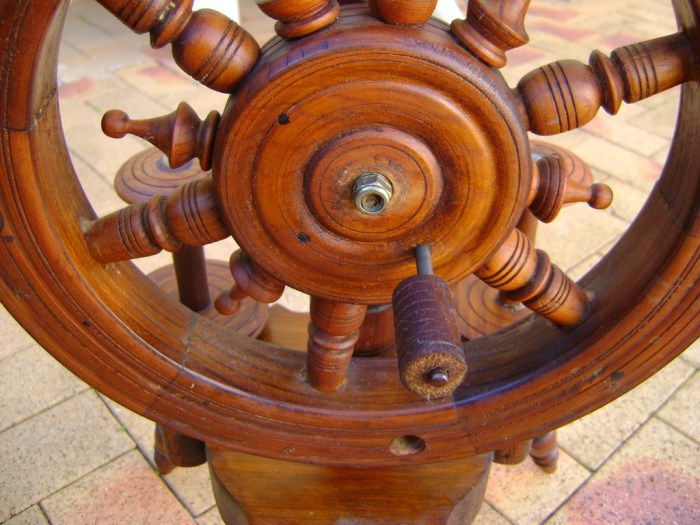
In conclusion, “The Wheel of Time” is a testament to the power of storytelling, offering a compelling blend of magic, intrigue, and character development. From the shifting tides of the Pattern to the personal struggles of its protagonists, the series provides a rich and rewarding experience. The enduring legacy of “The Wheel of Time” lies in its ability to transport readers to a world both familiar and fantastical, reminding us of the cyclical nature of history and the enduring battle between light and shadow. The depth of the world, its characters, and the story itself make it a landmark achievement in fantasy literature.
